
Embracing the Turning Seasons:
What Nature Teaches Us About Growth and Renewal
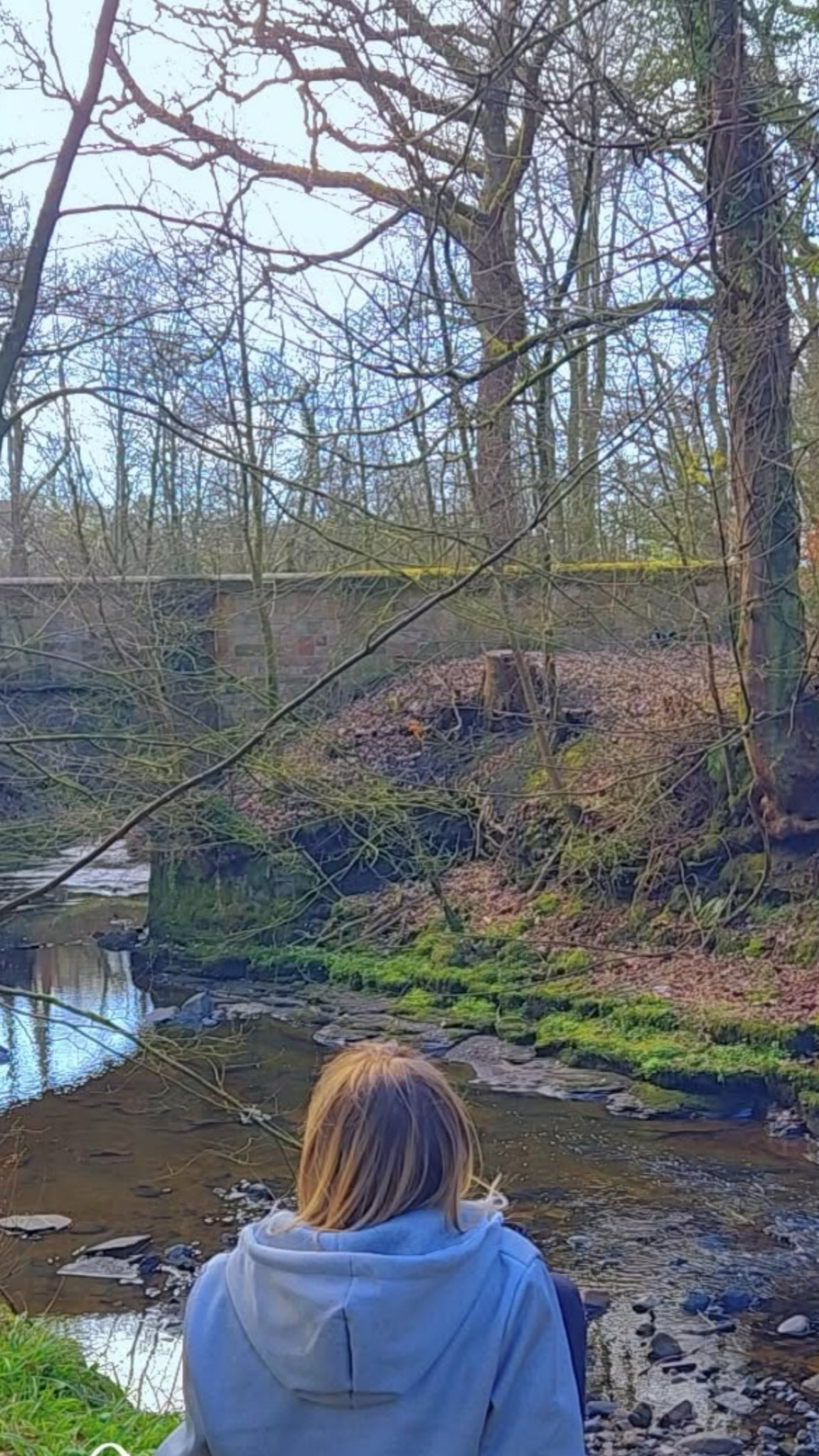
by Justine.
As August arrives, summer begins its quiet transition. The days are still warm, gardens still bloom, and sunlight lingers in the evenings, yet subtle signs of change begin to appear. Leaves lose some of their brightness, mornings feel cooler, and the rhythm of life gently shifts again. Nature never stands still. Every season arrives, transforms, and eventually gives way to another.
For many people, seasonal change can stir emotions we do not always expect. We may feel energised by summer’s openness, reflective as autumn approaches, or uncertain during periods of transition in our own lives. Mental health is often deeply connected to these rhythms. Just as the natural world moves through cycles of growth, rest, release and renewal, so do we.
Nature reminds us that change is not failure, weakness or something to resist. Change is life itself.
In a world that often encourages constant productivity and certainty, it can be easy to believe we should always feel motivated, confident, and in control. Yet no tree blooms all year. No landscape remains unchanged. Even the strongest forests experience storms, shedding, dormancy and regrowth. Human beings are no different.
There are periods in life when we feel expansive and full of possibility. We might start new relationships, discover purpose, or feel connected to ourselves and others. At other times, we may experience loss, exhaustion, anxiety, grief or emotional uncertainty. These seasons can feel uncomfortable, especially when we compare ourselves to others or pressure ourselves to “move on” quickly.
But growth is rarely linear.
Often, the moments that appear quiet or difficult are the very spaces where transformation begins. Seeds spend time underground before anything visible appears. Trees shed leaves not because they are broken, but because they are preparing for survival and future growth. Nature does not rush these processes, and perhaps we are not meant to rush ours either.
Mental wellbeing is not about feeling happy all the time. It is about learning to respond to life’s changing seasons with compassion, awareness, and patience. Some seasons ask us to move forward boldly. Others ask us to pause, recover or let go of what no longer serves us.
This can be challenging in modern life, where many people feel pressure to keep going despite emotional fatigue. Burnout, stress and anxiety often emerge when we ignore the signs that we need rest or support. Yet nature constantly demonstrates the importance of balance. Rest is not laziness; it is restoration. Stillness is not stagnation; it is preparation.
When we spend time outdoors, even briefly, we are often reminded of this truth. A walk through a park, sitting beneath a tree, listening to rainfall, or watching clouds move across the sky can help us reconnect with something larger than ourselves. Nature gently pulls us out of constant mental noise and into the present moment.
Research increasingly shows that time spent in natural environments can support mental health by reducing stress, improving mood, and helping regulate the nervous system. But beyond scientific evidence, there is also something deeply human about recognising ourselves within the natural world. We begin to understand that uncertainty, transition and change are not signs that life is falling apart. They are signs that life is moving.
For those currently navigating difficult seasons, this reminder can matter deeply.
Perhaps you are recovering from a challenging period in your life. Perhaps you are grieving, rebuilding confidence, managing anxiety or simply feeling emotionally tired. Growth during these moments may not look dramatic. Sometimes growth is simply getting through the day. Sometimes it is asking for help, setting boundaries, or allowing yourself to rest without guilt.
Small changes matter.
Nature rarely transforms overnight. The shift between seasons happens gradually, almost invisibly at times. In the same way, healing often unfolds quietly. A new perspective, a healthier routine, a supportive conversation, or a moment of self-kindness may seem small, but over time these moments create meaningful change.
There is also comfort in remembering that difficult seasons do not last forever. Winter eventually softens into spring. Storms pass. Trees bloom again. This does not mean life becomes permanently easy, but it reminds us that emotional states are temporary. Feelings move and change, just as weather does.
At the same time, renewal does not always mean becoming an entirely different person. Sometimes regrowth is about returning to ourselves. Reconnecting with parts of who we are that became lost beneath stress, fear, or expectation. Much like a garden that begins to flourish again with care and attention, people often rediscover strength and hope when given the right support and environment.
As August unfolds and another seasonal shift approaches, it offers an opportunity to reflect gently on our own inner landscape. What are we holding onto that may need releasing? What parts of ourselves need nurturing? Where are we already growing, even if we cannot fully see it yet?
There is no perfect way to navigate life’s transitions. Some days we adapt easily; other days we struggle. Both experiences are part of being human. What matters is learning to meet ourselves with the same patience we naturally extend to the changing world around us.
The beauty of nature lies not in permanence, but in its ability to keep transforming. Trees bend during storms yet continue growing. Flowers bloom for a season and return. Rivers reshape landscapes slowly over time. Change is woven into every part of the world around us.
And perhaps that is one of nature’s greatest lessons for mental health: we are allowed to change too.
We are allowed to outgrow old versions of ourselves. We are allowed to rest, begin again, heal slowly, and move through different emotional seasons without shame. Growth is not always visible, renewal is not always immediate, but both are continually possible.
As summer gradually turns toward autumn, nature offers a quiet reassurance: transformation is natural, cycles are inevitable, and even after the hardest seasons, life continues to emerge again.
This month, consider spending time outdoors without distractions. Notice the colours around you, the movement of the trees, or the sounds of birds and wind.